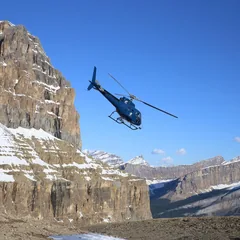
Banff/Jasper: Canadian Rockies Scenic Helicopter Tour
★ 4.9 · 233 reviews
- The cheapest helicopter on this page
- Thirty minutes over glaciers, waterfalls and icefields
- 233 reviews at 4.9
- Free cancellation
Weather
Mountain weather is not city weather, and the thing that stops flights here is almost never rain. It is cloud in the wrong place — sitting on the ridges when it should be in the valleys — and wind funnelled between peaks. Both are usually better in the morning, which is why every experienced answer about a Banff helicopter tour ends the same way.

Quick answer
Flights are postponed rather than cancelled, and the call is usually made on the morning itself. Most listings here carry free cancellation up to 24 hours before, and if the operator grounds the flight you are rebooked or refunded. What actually decides whether you fly at all is having another morning in your trip — which is why we keep saying to book a Banff helicopter tour for the first days rather than the last.
What actually stops a flight
Cloud on the ridges first, wind second, winter fronts third, smoke occasionally. Rain is almost never the reason.
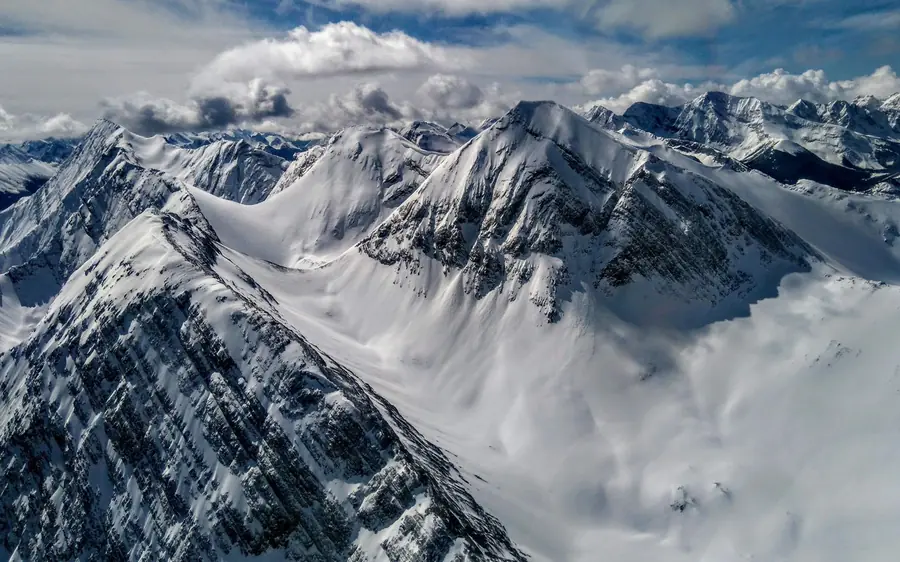
1. Cloud at the wrong height. In the Rockies, cloud commonly sits in the valleys at dawn and lifts onto the summits by late morning. A Banff helicopter tour needs the peaks clear, so an early departure often flies while a midday one does not — even though the town looks sunnier at midday.
2. Wind. Valley heating drives afternoon wind, and in mountain terrain that becomes turbulence around the ridges. It is rarely dangerous and frequently uncomfortable, and operators would rather move a flight than fly a marginal one.
3. Winter fronts. Snow and low ceilings can close a morning between December and March. They usually clear within hours, which makes winter the one season where the afternoon slot is sometimes the safer bet.
4. Smoke. Late-summer wildfire smoke can close the long views while leaving the air perfectly flyable. Operators will tell you honestly if the visibility is poor, and it is worth asking rather than finding out at altitude.
What happens to your money
Six situations and what each one means in practice.
Free on most listings here. Cancel the Banff helicopter tour and rebook it for another day in the same trip.
Depends on the listing. Talk to the operator rather than clicking cancel — they are watching the same forecast.
The most common outcome by far. They offer another slot, often later the same day. Nothing is charged twice.
You are rebooked or refunded. The operator handles it and the booking platform backs it.
Treated as a no-show. Check in thirty minutes ahead; the drive to Cline River in particular is longer than people plan for.
Occasionally an operator will fly a reduced route rather than cancel. You should be offered the choice, not told after landing.
The practical version of this entire page: book a morning slot in the first half of your trip. Cloud, wind and winter fronts are all survivable if there is another morning to move to.
When to fly→Book direct
Four listings with the flexibility that makes a weather postponement painless.
★ 4.9 · 233 reviews
★ 4.9 · 105 reviews
★ 4.9 · 15 reviews
★ 5 · 6 reviews
Reading the mountain forecast
Freezing level, cloud base against ridge height, ridge-level wind, visibility — and rain last.
You will not be making the call, but knowing what it rests on makes the message far less mysterious.
The freezing level. It tells the crew where cloud will form and whether icing is a risk on the higher parts of the route. In shoulder season it moves hundreds of metres in a day.
Cloud base against ridge height. The critical comparison. A base at two thousand metres is fine for a valley circuit and useless for a Banff helicopter tour that crosses the Divide.
Wind at ridge level, not in town. Banff can be still while the passes are moving air at forty knots. This catches people out constantly.
Visibility and smoke. Late-summer wildfire smoke can close the long views while leaving the flying perfectly safe.
And precipitation, last. Light rain or snow rarely decides anything by itself.
If it is moved
It happens often enough here that having a plan is worth more than having a forecast app.
If there is another morning in your trip. A moved Banff helicopter tour usually flies the next day.
In winter especially, a front that closes the morning often clears by two.
The crew are watching better data than you are, and they would rather fly than not.
This is the single most useful piece of planning for a Banff helicopter tour.
Moraine Lake and Lake Louise are weatherproof in a way that flying is not.
Most listings here allow it up to 24 hours before, which is what makes moving painless.
Common questions
The operator normally postpones and offers another slot, often later the same day. If they ground it outright you are rebooked or refunded.
Light rain is rarely the problem — ceiling and wind are. A damp morning with high cloud and still air often flies; a bright, gusty afternoon often does not.
Afternoons in summer, when wind has built, and mornings in midwinter, when a front can put cloud on the ridges.
Yes, free on most listings up to 24 hours before. Inside that window, speak to the operator.
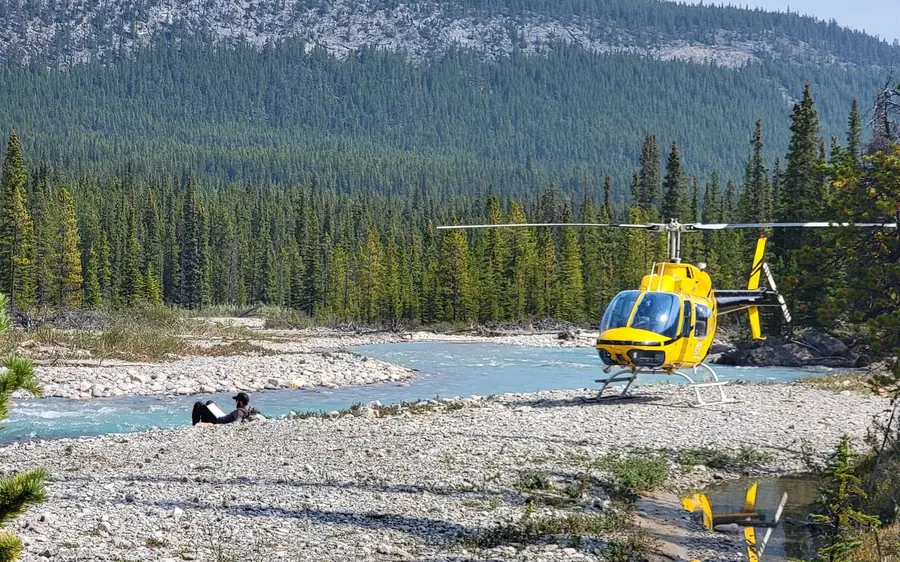
Occasionally a winter morning, rarely a whole day. The two listings that land simply land on snow instead of gravel.
No. It is the one mistake that turns a postponement into a lost flight.
Go deeper
From $199 to $1,035, and what a minute in the air is worth.
The verdictOne recommendation for each kind of traveller, and why.
The ruleParks Canada, and where the flights actually go.
CanmoreTwenty-five minutes from Banff, and four of the flights here.
KananaskisAlpine lakes, Mount Assiniboine and the longest routes.
LandingsWhere a helicopter may set down in the Rockies, and where it may not.